




Choosing the Right Embroidery Needle: Why It Matters
It Matters More Than You Think
When embroiderers encounter thread breaks, skipped stitches, fabric damage, or poor embroidery quality, the first reaction is often to blame the design, thread, machine, or digitizing software.
However, one of the most overlooked factors in embroidery production is the needle.
Choosing the right embroidery needle for the fabric can make the difference between a flawless design and a production disaster. Even the best embroidery machine and the most carefully digitized design cannot compensate for the wrong needle.
Why the Right Embroidery Needle Selection Matters
Every time an embroidery machine stitches, the needle penetrates the fabric thousands of times. Different fabrics react differently when pierced.
Some fabrics require the needle to cut through tightly woven fibers, while others require the needle to gently separate yarns without causing damage.
Using the wrong needle can result in:
- Thread breaks
- Needle breaks
- Skipped stitches
- Fabric holes
- Runs in knitted fabrics
- Puckering
- Poor embroidery quality
Understanding the basic types of embroidery needles can help prevent many common production problems.
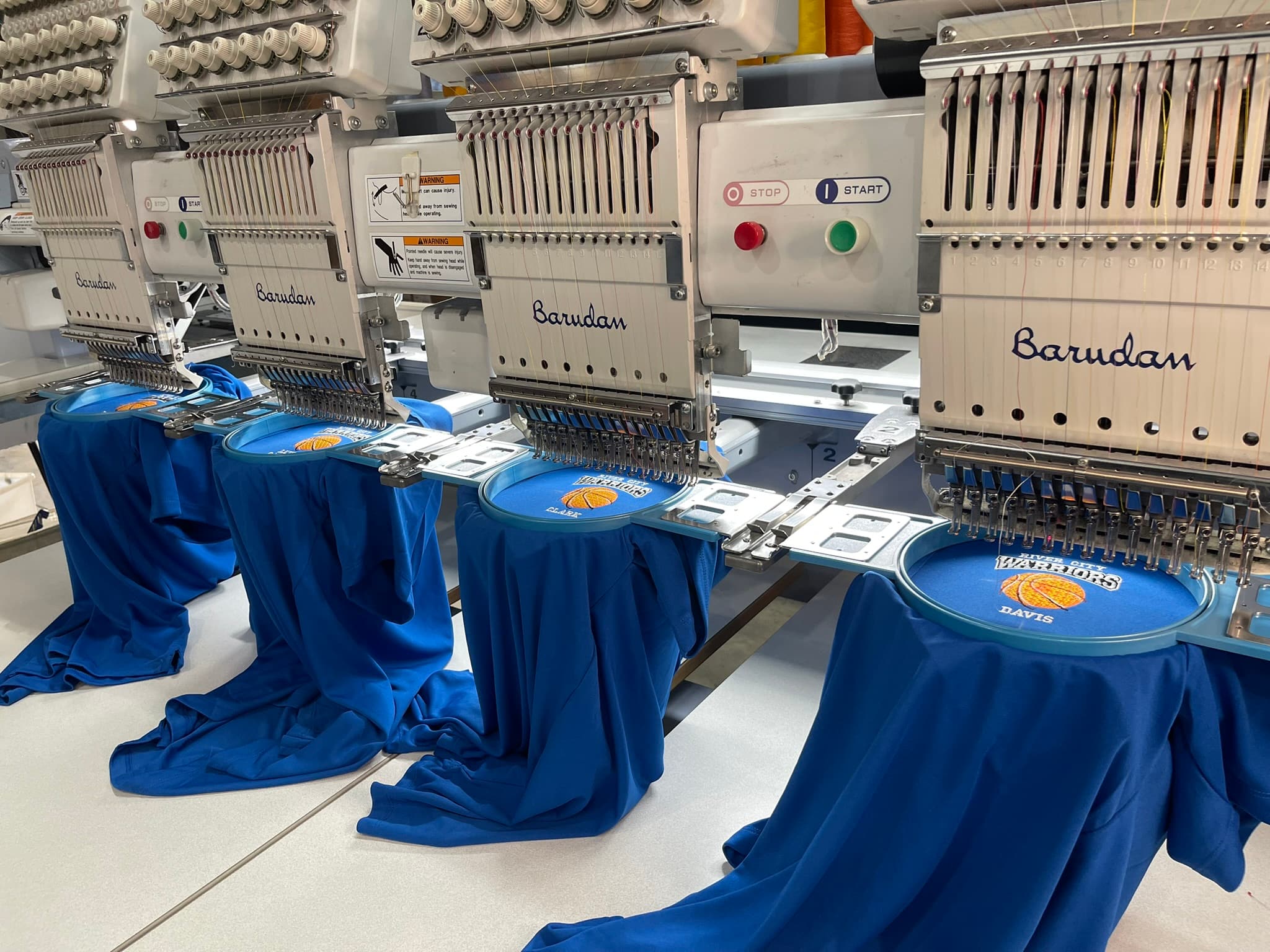
Sharp Point Needles
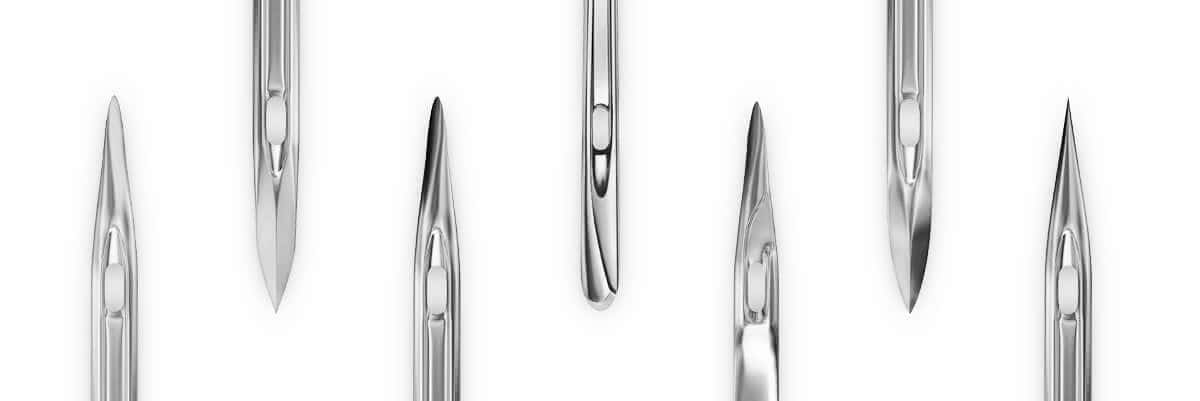
Sharp point needles have a pointed tip designed to penetrate tightly woven fabrics. The needle cuts directly through fabric fibers, providing excellent penetration on dense materials.
Best suited for:
- Caps
- Denim
- Canvas
- Twill
- Uniform fabrics
- Bags
Typical applications:
- Corporate logos on caps
- Workwear embroidery
- Jacket embroidery
- Promotional bags
Caution:
Sharp needles should generally not be used on knitted fabrics because they can damage yarns and create holes.
Ball Point Needles
Ball point needles have a rounded tip that pushes yarns apart rather than cutting through them.
This makes them ideal for knitted fabrics.
Best suited for:
- T-shirts
- Jerseys
- Sweatshirts
- Knitwear
Benefits:
- Reduces fabric damage
- Prevents holes
- Minimizes fabric runs
For most basic knitwear embroidery, a ball point needle is often the safest choice.
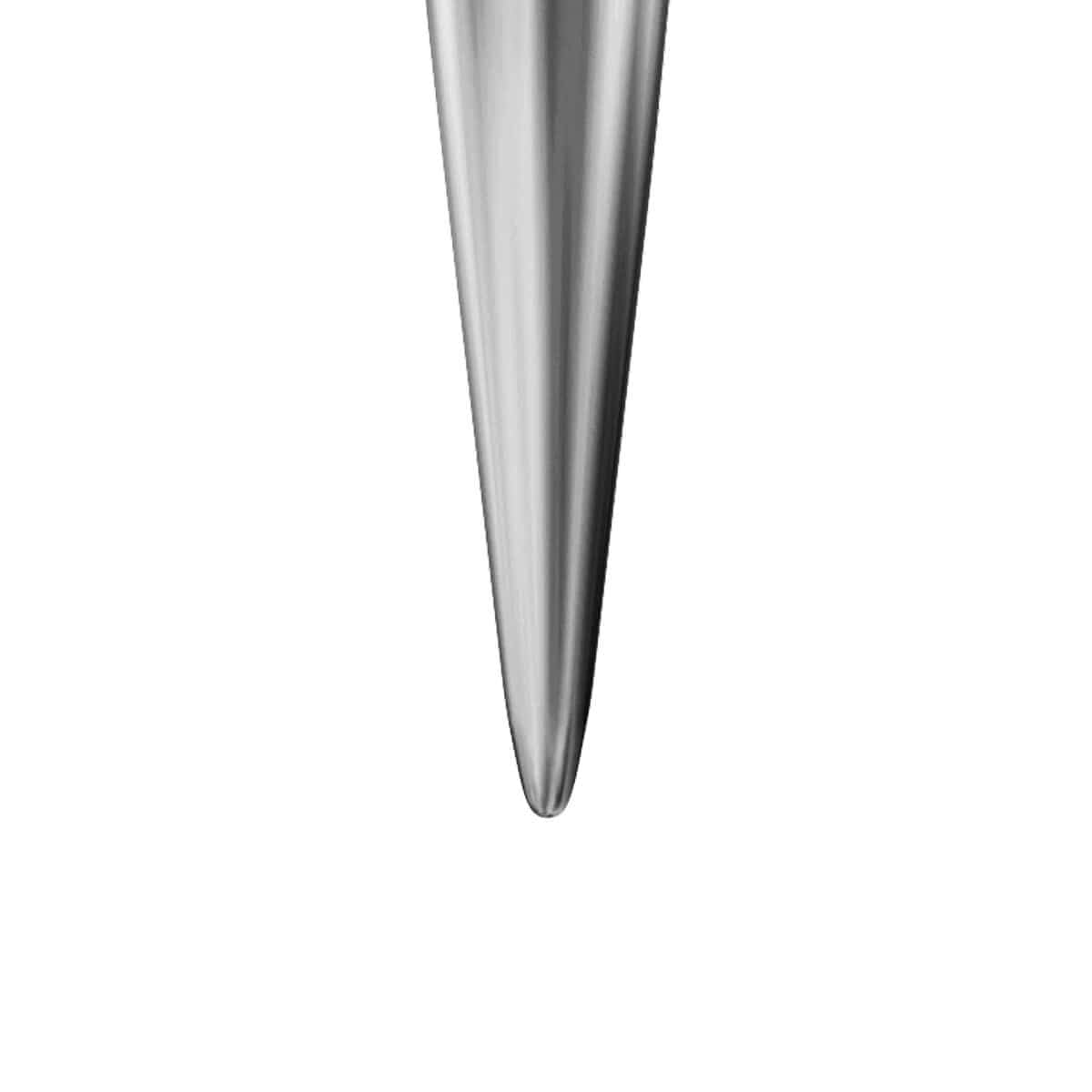
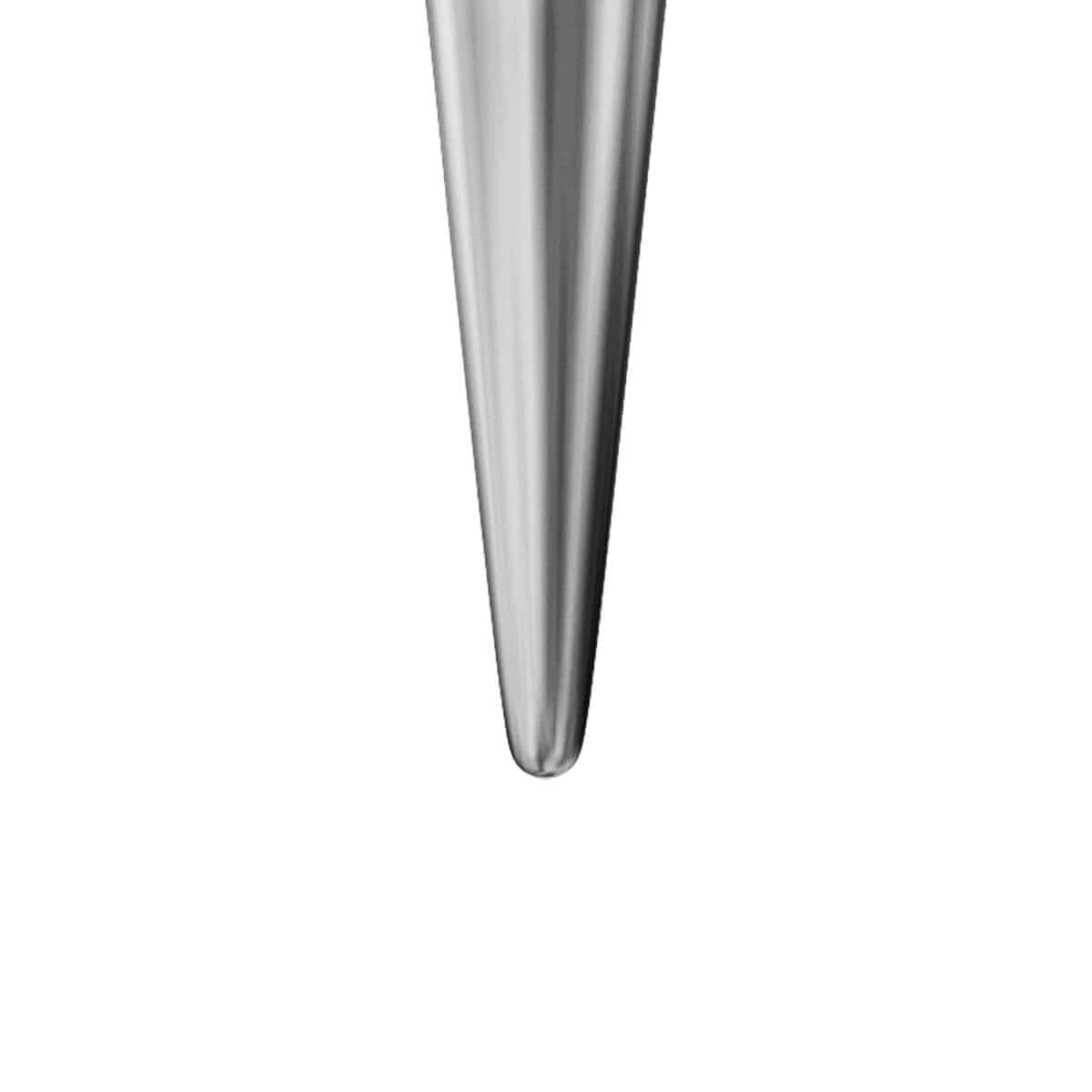
Medium Ball Point Needles
This SUK needle is one of the most widely used embroidery needles in the garment industry.
Its slightly larger, rounded tip is designed for medium-weight knitted fabrics.
Best suited for:
- Polo shirts
- Pique fabrics
- Rib knits
- Sportswear
Benefits:
Many embroidery shops consider the SUK 75/11 needle their general-purpose needle for apparel embroidery.
Images - courtesy of Schmetz
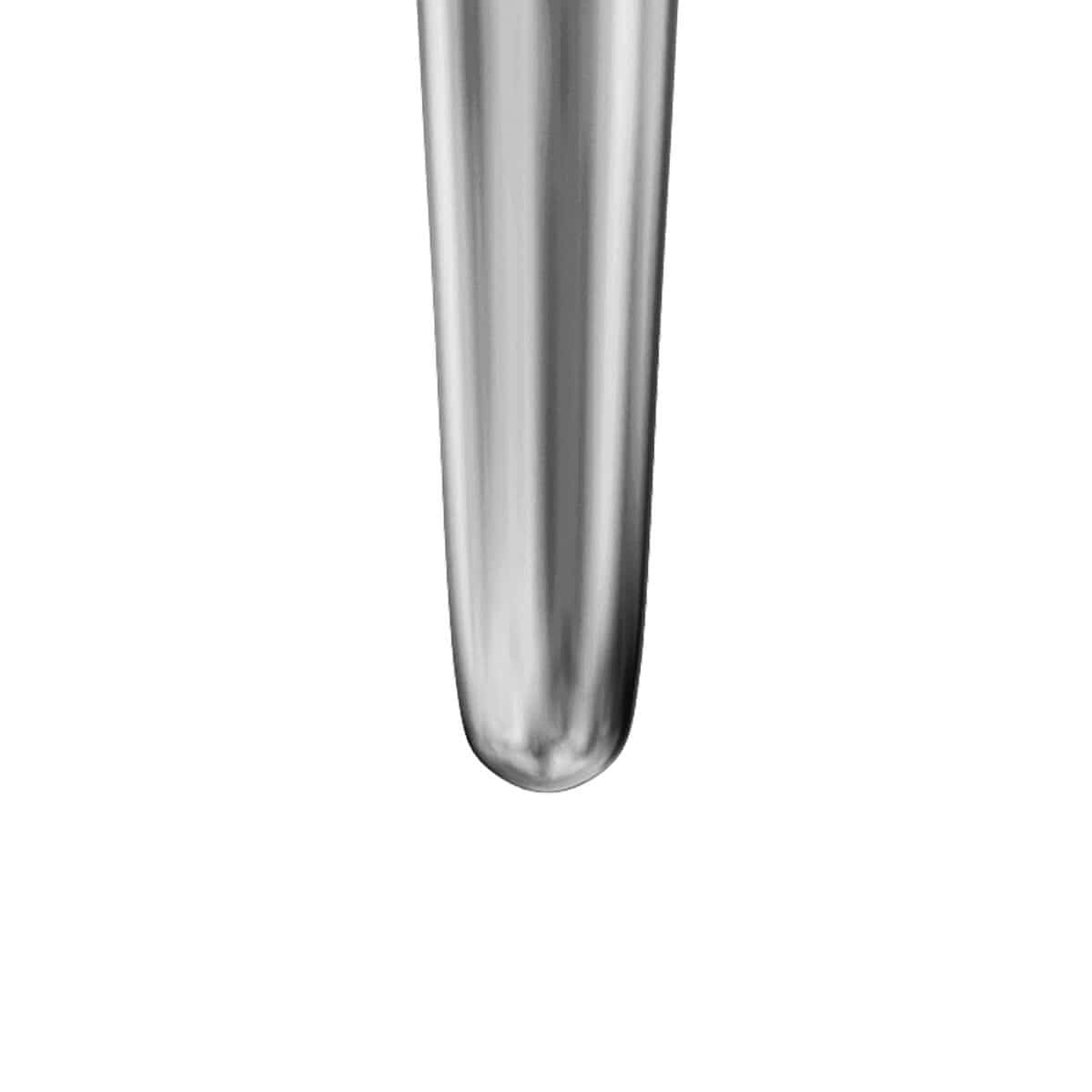
Heavy Ball Point Needles (SKF)
Heavy ball point needles have an even larger rounded tip designed for highly elastic fabrics.
Best suited for:
- Lycra
- Spandex
- Compression garments
- Performance sportswear
These needles help prevent damage to stretch fibers and reduce embroidery-related fabric distortion.
Leather Needles
Leather needles feature a knife-like cutting point designed specifically for non-woven materials.
Best suited for:
- Leather
- Artificial leather
- Vinyl
- PVC
Typical applications:
- Leather patches
- Leather jackets
- Leather bags
Leather needles should never be used on normal fabrics because they cut fibers rather than separating them.
Needle Size Matters Too
Selecting the right embroidery needle type is only half the equation. Needle size is equally important. Larger needles create larger holes and are stronger, while smaller needles are better suited for delicate fabrics and fine embroidery details.
Needle Size | Typical Application |
65/9 | Very lightweight fabrics |
70/10 | Lightweight garments |
75/11 | General embroidery |
80/12 | Heavier fabrics |
90/14 | Denim, caps, towels |
100/16 | Leather and very heavy materials |
Common Fabric and Needle Combinations
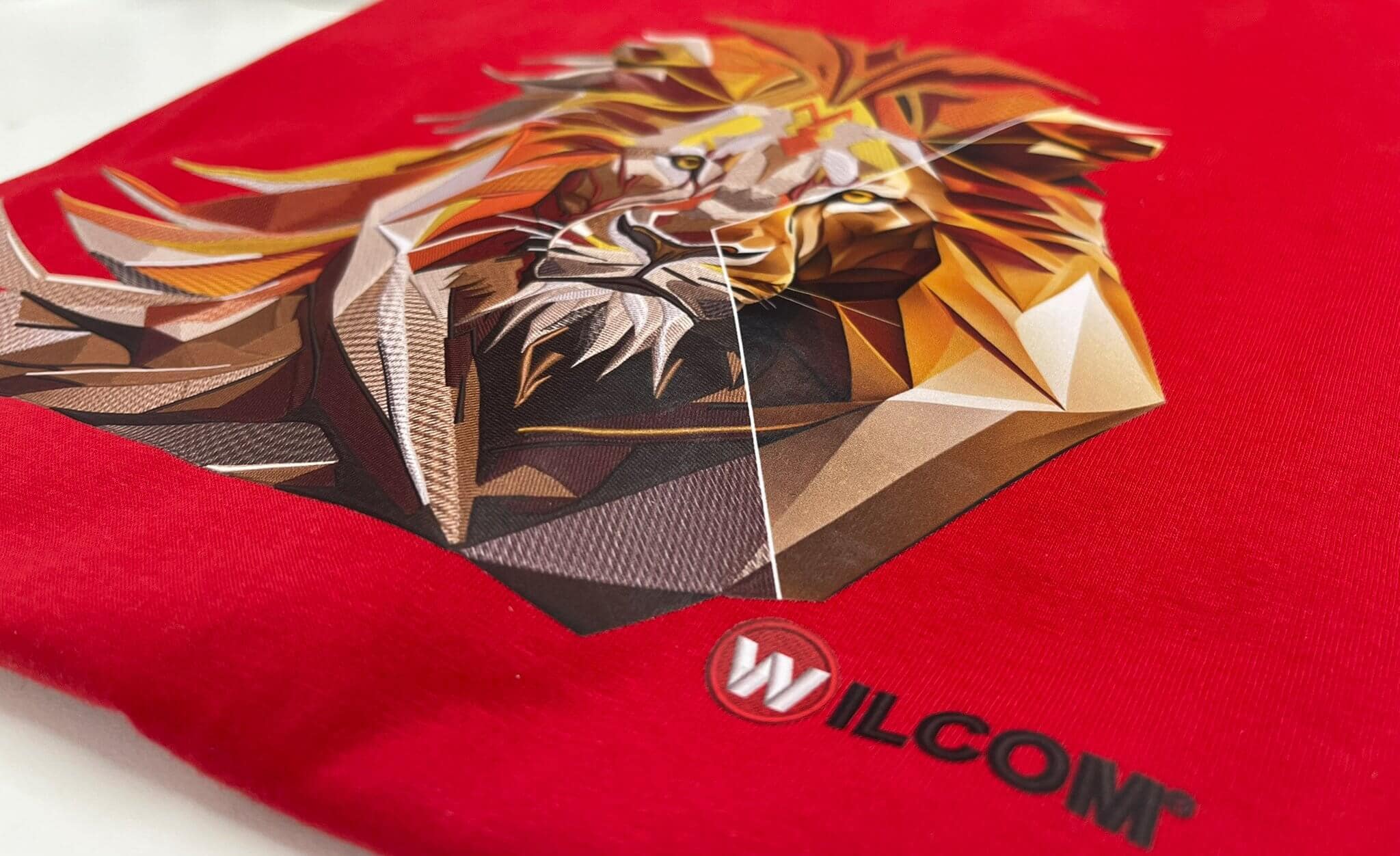
T-Shirts
Fabric: Jersey knit
Recommended needle: SES 75/11 or SUK 75/11
The rounded tip protects knitted yarns and reduces the risk of holes.
Polo Shirts
Fabric: Pique knit
Recommended needle: SUK 75/11 or SUK 80/12
This is one of the most common combinations used in commercial embroidery.
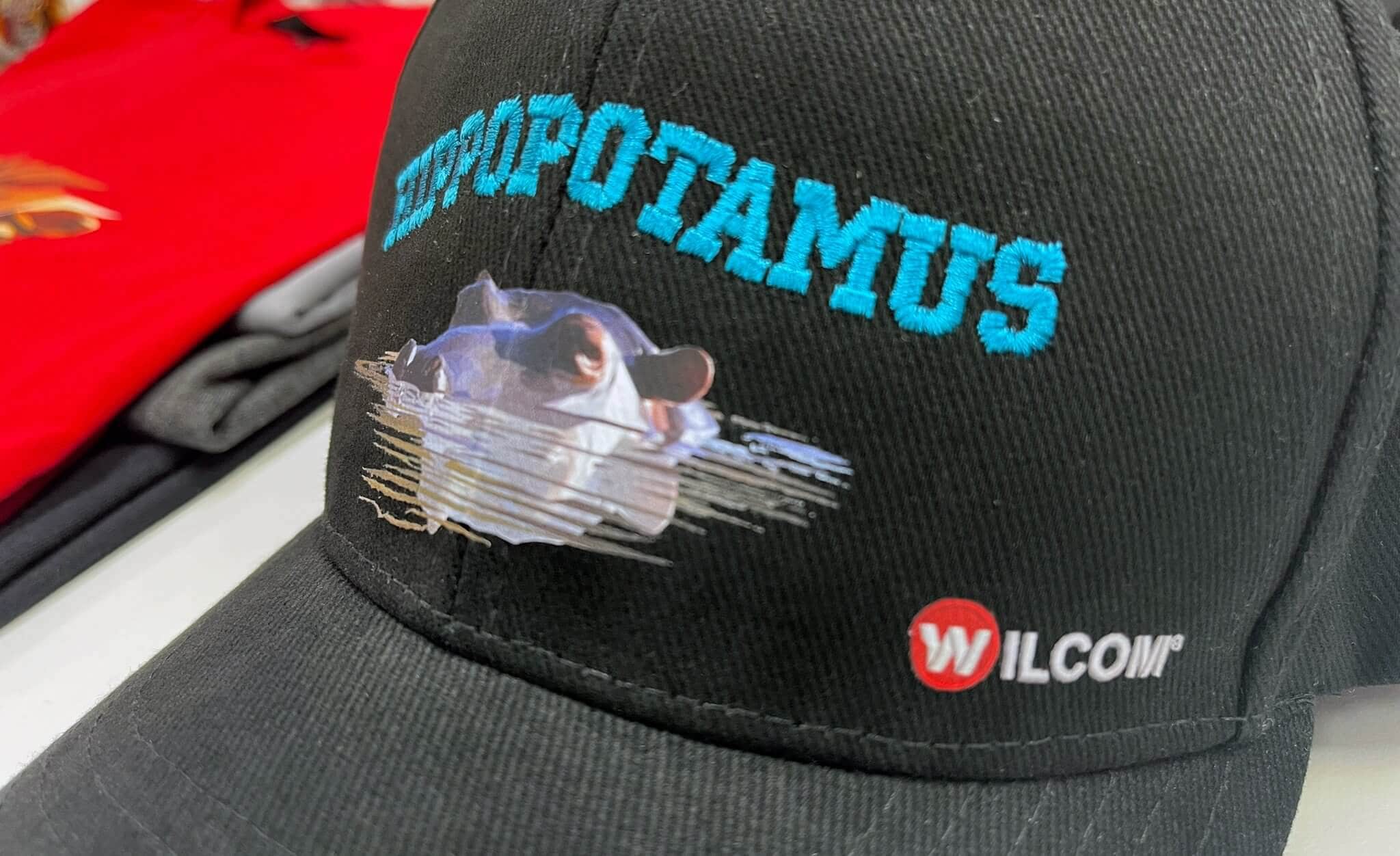
Caps
Fabric: Structured twill
Recommended needle: Sharp 75/11 or Sharp 80/12
The sharper point helps penetrate multiple layers of cap material and backing.
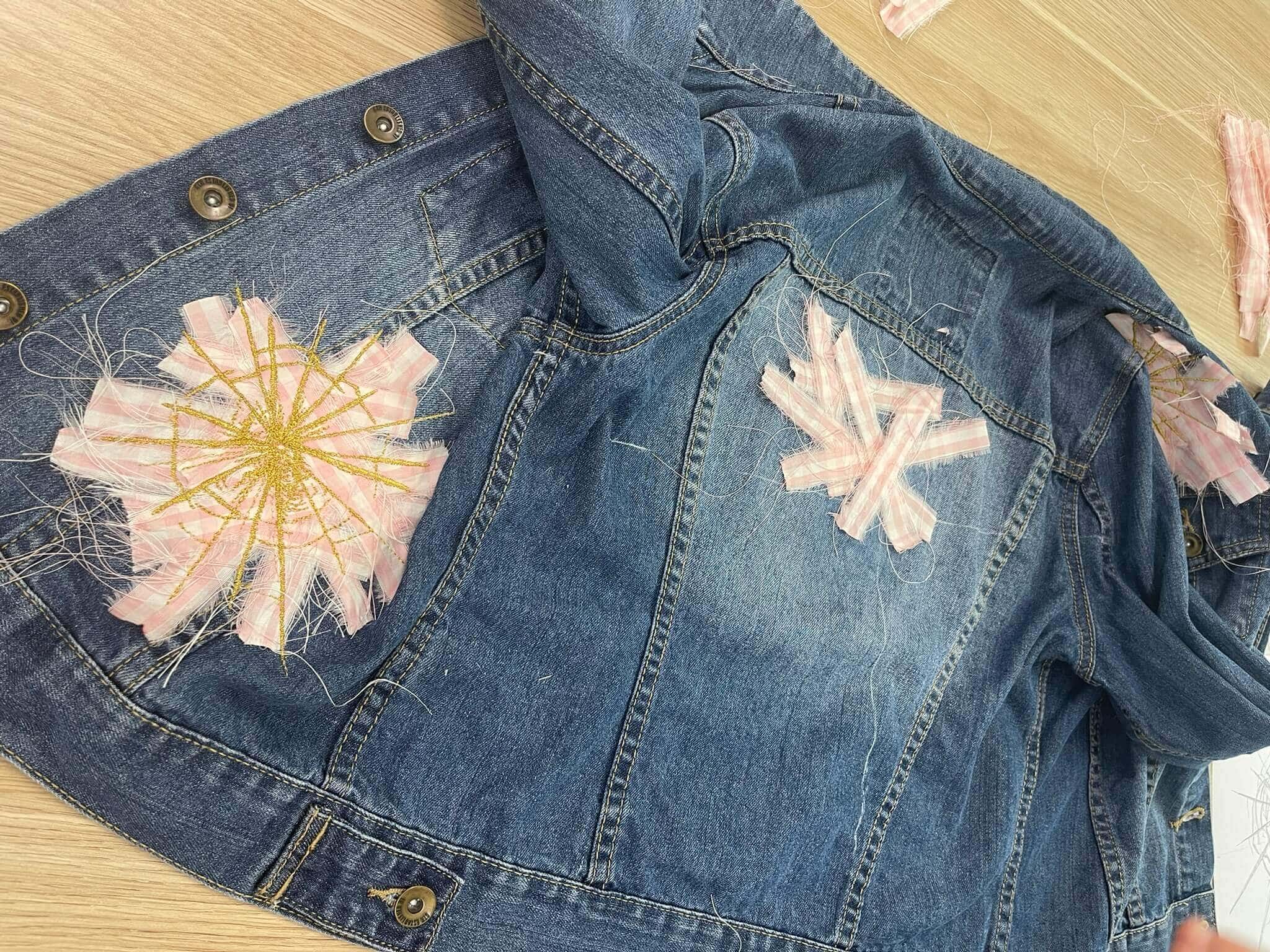
Denim
Fabric: Heavy woven fabric
Recommended needle: Sharp 80/12 or Sharp 90/14
Provides reliable penetration through dense fabric.
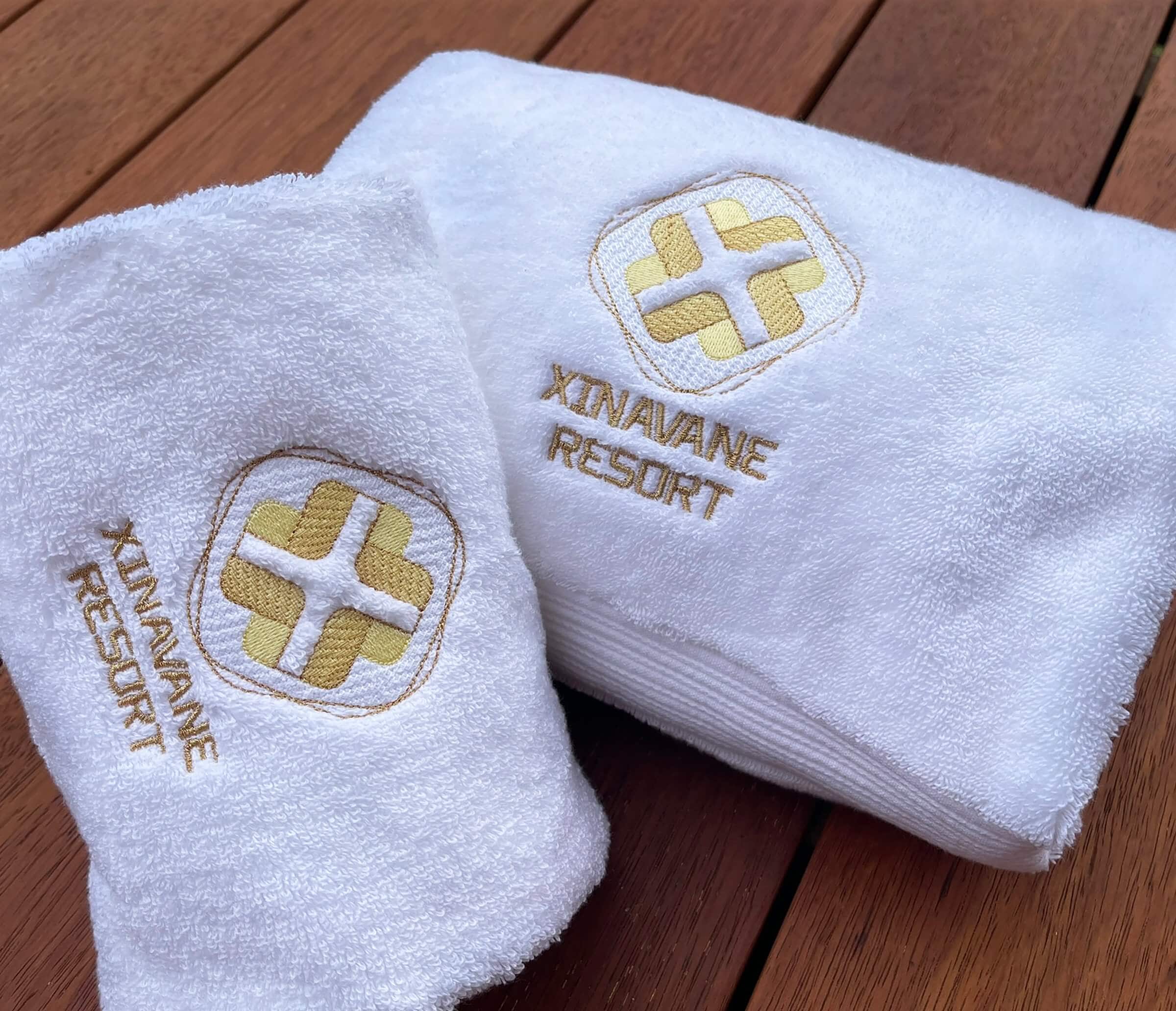
Towels
Fabric: Terry cloth
Recommended needle: Sharp 75/11 or Sharp 80/12
While needle selection is important, proper stabilizer selection and digitizing techniques are often even more critical for towel embroidery.
Stretch Sportswear
Fabric: Lycra or performance knit
Recommended needle: SKF 75/11
The rounded point helps protect elastic fibers.
What Digitizers Should Know
Many embroidery quality issues that appear to be digitizing problems are actually caused by incorrect needle selection.
For example:
A logo may sew perfectly on a twill cap using a Sharp 75/11 needle but produce holes or fabric damage on a polo shirt if the same needle is used.
Similarly, small lettering may become distorted if a needle is too large for the fabric and thread combination.
Professional digitizers should always consider:
- Fabric type
- Needle type
- Needle size
- Thread type
- Stabilizer selection
as part of the overall embroidery workflow.
Embroidery needles are relatively inexpensive, but they have a major impact on embroidery quality and production efficiency.
Before adjusting your design, changing machine settings, or blaming the software, take a moment to verify that the needle matches the fabric.
In many cases, a simple needle change can eliminate problems that would otherwise require hours of troubleshooting.
The best embroidery results come from the combination of the right design, the right fabric, the right stabilizer, the right thread, and the right embroidery needle.
Needle images and for more information, visit Schmetz
Ask about the world's
favorite embroidery software!

Got questions? We’re here to help.
Contact us